Immune Support
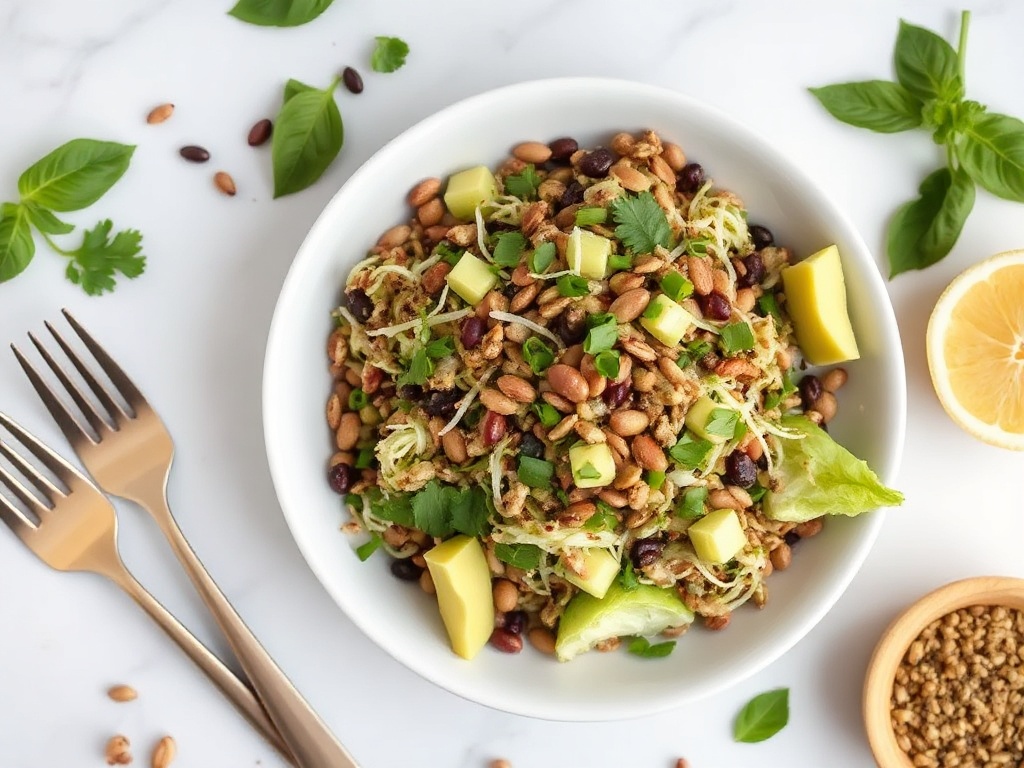
MCAS-Safe Pumpkin Seed Crusted Legume Sprout Salad for Immune Support
This zinc-rich salad combines immune-modulating pumpkin seeds with fresh legume sprouts to naturally regulate mast cell hyperreactivity. The high bioavailable zinc content supports T-regulatory cell function and modulates inflammatory cytokine production, while the sprouted legumes provide enhanced antioxidant capacity and cellular repair compounds. Fresh herbs deliver rosmarinic acid and quercetin to stabilize mast cells and reduce histamine release.
Low HistamineImmune SupportAnti-InflammatoryGut Health
Ingredients
◆1/2 cup raw pumpkin seeds, hulled
◆2 cups mixed fresh legume sprouts (mung bean, adzuki bean, black-eyed pea)
◆1 cup fresh butter lettuce, torn into bite-sized pieces
◆1/4 cup fresh chives, finely chopped
◆2 tablespoons fresh parsley, chopped
◆1 tablespoon fresh basil leaves, torn
◆3 tablespoons extra virgin olive oil
◆1 teaspoon fresh lemon juice
◆1/4 teaspoon sea salt
◆1/8 teaspoon freshly ground black pepper
Method
1Rinse the mixed legume sprouts thoroughly under cold water and pat completely dry with paper towels. Fresh sprouts should be crisp and white with no signs of browning.
2In a dry skillet over medium heat, lightly toast the pumpkin seeds for 2-3 minutes until fragrant and slightly golden. Allow to cool completely - this enhances zinc bioavailability.
3In a large mixing bowl, combine the dried legume sprouts, torn butter lettuce, chives, parsley, and basil. The fresh herbs provide quercetin and rosmarinic acid for mast cell stabilization.
4Whisk together olive oil, lemon juice, sea salt, and black pepper in a small bowl. The minimal lemon juice provides vitamin C to enhance zinc absorption without triggering histamine release.
5Pour dressing over the salad mixture and toss gently. Top with the toasted pumpkin seeds just before serving to maintain their crunch and preserve zinc content.
Clinical Note
Better Kitchen is a functional nutrition companion, not a replacement for medical care. MCAS and HAT are highly individual — always introduce new foods slowly and track reactions with your allergist or immunologist.